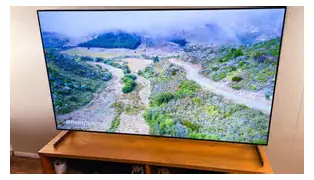
G1 Oled Review: Real User Experience After 3 Months
I've been living with the G1 Oled as my main TV for the last three months. I bought it because I wanted a wall-mounted "gallery" TV with great HDR performance and low input lag for gaming. After hours of streaming, movie nights, daily news, and console sessions, I have a clear sense of what this panel truly delivers day-to-day — and where it still falls short compared to some alternatives. In this review I'll walk through my hands-on observations, specific likes and annoyances, a straightforward pros & cons list, a comparison table with close alternatives, and a buying guide based on how I actually used the set.
Why I chose the G1 (and what I expected)
I went with the G1 because of the "gallery" styling — it sits flush on the wall and looks like framed artwork when turned off — and because it promised improved peak brightness over earlier OLEDs. My use-case was a mix of 4K streaming, HDR movies, and gaming on a current console. In my experience, those are the areas where the G1 was supposed to shine. I wanted to see if the brighter panel really made a meaningful difference in bright-room HDR and whether OLED's usual strengths — contrast and blacks — remained intact after real-world use.
Unboxing and first impressions
Unboxing was straightforward but very much geared toward wall-mounting. The TV itself is astonishingly thin and light for the size; I was surprised by how little depth it has. That slim profile is beautiful on the wall, but it also meant I had to be careful with cable routing. The manufacturer included a simple instruction for the flush wall mount, and after two people helped lift it, it was mounted and almost seamless against the wall.
Out of the box, the picture looked impressive even before any calibration. The menu system walked me through basic settings and a few picture presets. I left it in the default "Cinema" preset for a few days to see how it behaved with regular content and then experimented with "Game" and "Vivid" modes for comparison.
Picture quality — what really stood out
In my experience the most immediately noticeable thing about the G1 is how deep and inky blacks are. Watching dark scenes in movies felt immersive in a way my previous LED never achieved. Shadow detail is excellent — I noticed textures in near-dark areas that used to appear as flat black on my old TV.
HDR is more impactful than on older OLEDs I tried. Highlights feel punchier and specular reflections pop without washing out the scene. I wouldn't say it matches the brightest LED-LCDs in absolute peak luminance, but for the majority of HDR content I watch, highlights look more lifelike and the contrast balance feels superior. In my experience, the "brighter OLED" claim translates to more convincing HDR in living-room lighting.
Color accuracy out of the box was quite good with the Cinema preset. After a quick calibration (I used the TV's built-in 2-point white balance and a few adjustment patterns), skin tones and natural scenes looked more accurate to my eye. For anyone who cares, spending 30–60 minutes adjusting a couple of settings made a visible difference.
Viewing angles and reflections
I appreciated how uniform the picture remains even when I watch from a steep side angle. The G1 keeps color and contrast better than most LED-LCDs I’ve had in the same room. That said, the screen is fairly reflective. In my living room, daytime sunlight hitting the screen produced noticeable reflections; repositioning lamps and blinds helped, but if you have a very bright room with windows opposite the TV, reflections will be a real consideration.
Looking for the best TVs & Home Theater deals on Amazon?
Browse Now →Motion handling
Sports and fast-paced action look smooth. The TV's motion processing reduces blur with little obvious artifacting, and the 120Hz mode is a joy for console gaming. When gaming, I turned on features that reduce interpolation — I prefer a little natural judder over the soap-opera effect for movies — but for sports and live events the default motion smoothing was useful.
Gaming performance — my sessions and impressions
I used the G1 with a next‑gen console and a gaming PC. Input lag in Game mode is impressively low; I could feel the responsiveness immediately in fast competitive shooters and racing games. Variable refresh rate support worked well — I saw fewer stutters and the overall experience felt fluid when frame rates fluctuated.
One thing I appreciated: the TV's game-centric menu is practical and easy to access during play. It shows active VRR state, frame rate, and HDR status without forcing me to dive into deep settings. That convenience matters in real-world use for someone who switches between consoles and a PC.
Smart features and UI
The smart platform is generally snappy. Apps load quickly and I found my favorite streaming services preinstalled. The remote is small and intuitive; I liked the quick-access buttons for my most-used apps. Voice recognition works, but I still prefer using the remote for precision. Over the three months I didn't experience any major software slowdowns; occasional app updates required restarts, but nothing that interrupted viewing significantly.
Sound — okay but you’ll want a soundbar
Audio quality is usable for casual TV watching. Dialog is clear enough for news and drama, and the built-in speakers handle mid-range well. However, for movies and anything that aims for cinematic impact, I quickly realized a separate sound system is necessary. Bass is thin, and large-scale sound effects lack the weight a dedicated soundbar or receiver provides. I added a compact soundbar to the setup after a few weeks, and it improved the experience dramatically.
Daily use and reliability
After three months of daily usage (several hours per day), I haven't seen any permanent image retention or burn-in. I was careful to avoid leaving static UI elements on full brightness for long periods, and the TV's automatic pixel refresh features kicked in when recommended. In my experience, normal mixed usage — movies, gaming, and TV channels — seems safe, but I still follow simple habits: reduce OLED brightness at times, use screen savers where possible, and give the panel breaks when displaying static images for extended times.
On the hardware side, the thinness is beautiful but also fragile. I handled the TV carefully during installation and when moving cables. If you plan to mount it yourself, have two people and a secure mount. Cable management behind the wall is easier said than done — the flush mount leaves little room.
Shop the latest TVs & Home Theater picks on Amazon.
Shop Amazon →What disappointed me
One thing that bothered me was the remote's battery life: it's small and needs replacing more often than I expected. I liked the design, but I had to swap batteries a couple of times over three months.
Another annoyance: the TV's glossy screen and gallery finish make reflections more prominent than I hoped. For my daytime viewing habits, that meant adjusting room control or setting the TV to slightly higher brightness than I would prefer at night. Finally, while the TV's smart platform is generally snappy, some lesser-used streaming apps felt like afterthoughts and occasionally lagged compared to the major apps.
Pros & Cons
- Pros:
- Exceptional black levels and contrast — deeply immersive in dim rooms.
- Noticeably improved HDR highlights compared to older OLEDs.
- Excellent viewing angles; picture holds up from the side.
- Low input lag and solid VRR/120Hz performance for gaming.
- Sleek, ultra-thin gallery design that looks great on the wall.
- Cons:
- Reflective screen means bright rooms can be problematic without light control.
- Built-in speakers are just average — most owners will want a soundbar.
- Remote battery life could be better.
- Very thin design makes installation and cable management more difficult.
- Premium price point compared to non-gallery OLED models.
Quick comparison
| Feature | G1 Oled (my unit) | LG C-series (typical) | High-end LED/LCD (typical) |
|---|---|---|---|
| Black levels | Deep, inky blacks — best in dark rooms | Very close, slightly less peak brightness | Good, but blacks are not as deep |
| HDR highlights | Stronger than previous OLEDs; very satisfying | Great, a touch dimmer | Can be brighter in spec, punchier highlights |
| Gaming | 120Hz, low input lag, VRR — excellent | Also excellent, more affordable | Varies; some models match gaming features |
| Design | Ultra-thin gallery look; wall-first | Stand-first, more flexible placement | Thicker, with traditional stands |
| Price relative | Premium | Lower than G1 | Wide range; some undercut OLED on price |
Buying guide: Is the G1 right for you?
Here's how I would decide now that I've put real time on this set. Use these quick checkpoints based on how I used the TV.
Recommended if:
- You prioritize cinematic picture quality and deep blacks for movies — I felt transported during HDR films.
- You plan to wall-mount the TV and want that nearly flush, gallery look — the G1 shines on the wall.
- You're a gamer who wants low input lag, 120Hz, and VRR for next-gen consoles — I had very responsive gameplay.
- Your room can be darkened or you mainly watch in the evening — reflections are less of an issue then.
Consider alternatives if:
- You watch a lot of daytime TV in a bright room with direct sunlight — LED-LCDs with anti-reflective panels or higher peak brightness may suit you better.
- You want the best audio without adding a soundbar — the G1's internal speakers are decent but not immersive.
- You need a TV that sits on a stand with flexible furniture placement — the gallery mount is beautiful but optimized for wall use.
- You're on a tight budget — the G1 often sits at a premium price compared to other OLED models with similar core performance.
Practical buying tips from my experience
- Plan your mount and cable routing before delivery. The thin profile looks great but limits room behind the TV.
- If you game, use the TV's Game mode and tweak VRR settings; the TV will usually detect consoles and switch automatically, but check the menu after setup.
- Turn down maximum brightness slightly for long gaming sessions if you care about pixel longevity — it made no visible difference to me but reduced heat.
- Budget for a soundbar if you want fuller movie sound — I regret waiting to buy one because it made a big difference in immersion.
- Try the TV in your lighting conditions if possible. The screen's reflections behave differently depending on windows and lamps in the room.
Final thoughts
After three months with the G1 Oled, what I found was a TV that delivers on the promise of OLED: incredible blacks, superb contrast, and a picture that makes movies feel more cinematic. The brighter highlights do make HDR more satisfying in my living room, and gaming performance is excellent by my day-to-day standards. On the downside, the reflective finish, average built-in audio, and the practical challenges of mounting such a thin panel are real considerations that influenced my experience.
In my experience, if you value picture quality and wall-mounted aesthetics and can control ambient light or mainly watch at night, the G1 is an outstanding choice. If you need the brightest HDR in a sunlit room or want great audio without extra gear, you might want to look at alternatives. Ultimately, living with the G1 has been a pleasure — it transformed my movie nights and provided very satisfying gaming sessions — and those are the things that matter most to me as a regular user.